


With Valor and Honor’ Commemorates Talbot’s Black Civil War Troops by Eric Mills
Maryland has long been touted as “America in Miniature,” and while that venerable tourism-boosting label refers to geographical diversity, the Maryland-as-microcosm description perfectly encapsulates the Old Line State during the Civil War. Perched on the faultline of a nation ripped in two, Maryland was home to North America’s largest free Black population, but it also was home to a vociferous secessionist element and had a slaveholding governor (pro-Union but pro-slavery Thomas Holliday Hicks of Dorchester County) at the war’s outset.
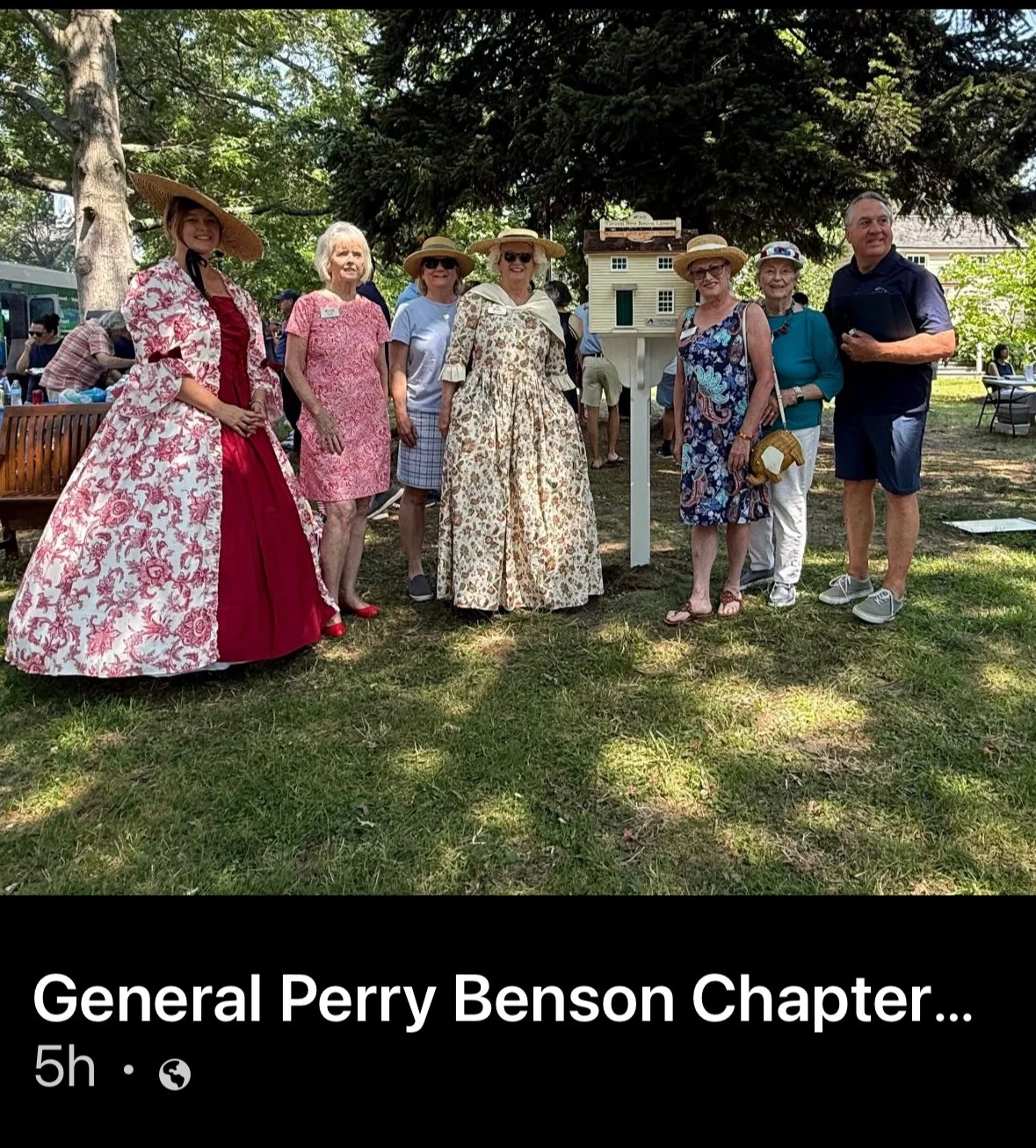
General Perry Benson Chapter DAR Celebrates America250
The General Perry Benson Chapter DAR celebrated America’s 250th anniversary with the installation of a custom Little Free Library at the St. Michaels Museum. The project highlights the chapter’s commitment to community service, education, and patriotic heritage.

Tilghman Island: Events of Interest Happening There in 1899
The following article was first published in the Gazette, June 2, 1899. The article was contributed by Tilghman Watermen’s Museum.

The Rich History of the Talbot County Fair
Summer is here, and across Maryland, farmers and young exhibitors are bringing the best of their best into the show ring and the judging tent. County and state fairs have been a cornerstone of American agriculture for more than 200 years, celebrating the skills, dedication, and traditions that connect communities to the land. From prize-winning livestock to homegrown produce and handcrafted projects, these fairs highlight the hard work that goes into every season.

A Tale of 3 Pages: Talbot County and Maryland’s Student Page Program
The Constitutional Convention Commission was created in 1965 by then Governor J. Millard Tawes to determine the need for constitutional revision. It was convened in Annapolis in September 1967 and adjourned in January 1968. The proposed constitution was rejected by voters the following May.
While the Constitutional Convention (colloquially known as “ConCon”) may not have produced a constitution acceptable to voters, its use of student pages provided a model for the Maryland General Assembly Student Page Program, now in its 55th year.

Sharps Island Remembered: Tilghman Watermen’s Museum Reopens with New Exhibit
The only sign of Sharps Island today is a noticeably leaning, sparkplug-style lighthouse. It marks the shoals at the mouth of the Choptank River off Poplar Island and Black Walnut Point. It’s hard to imagine that the area near Sharps Island light was once an island up to 700-acres large, but some people in Tilghman still remember when there was some island left to see.
The Tilghman Watermen’s Museum, which records the lifestyle of watermen and the things they do, was founded by Hall and Mary Kellogg in 2008 because the couple saw the old Tilghman Island way of life disappearing.

New exhibit documents and honors Talbot County's U.S. Colored Troops
A new exhibit at the Talbot Historical Society is documenting the often untold stories of hundreds of African American men from Talbot County who fought for their freedom in the Civil War.

Black History: Watermen and the Seafood Industry
Talbot County’s seafood industry, shaped by its location near the Chesapeake Bay and Atlantic Ocean, has long influenced the region’s culture, economy, and way of life. Black watermen played a vital role in this history—working as sailors, shipbuilders, and oyster harvesters, and often becoming some of the first recognized Black American citizens through Seaman’s Protection Certificates.

Community Reading: Frederick Douglass’s “What to the Slave is the 4th of July?”
The Frederick Douglass Honor Society is pleased to announce their annual community reading of Frederick Douglass’s historic address “What to the Slave is the Fourth of July?” on Saturday, July 5, starting at 10 a.m. in front the Talbot County Court House, 11 North Washington Street, Easton, Maryland.